Deeper Conversations Press LLC
Can You Trust the Bible?
An evidence-based journey through its history and accuracy.
Coming soon in your favorite format!
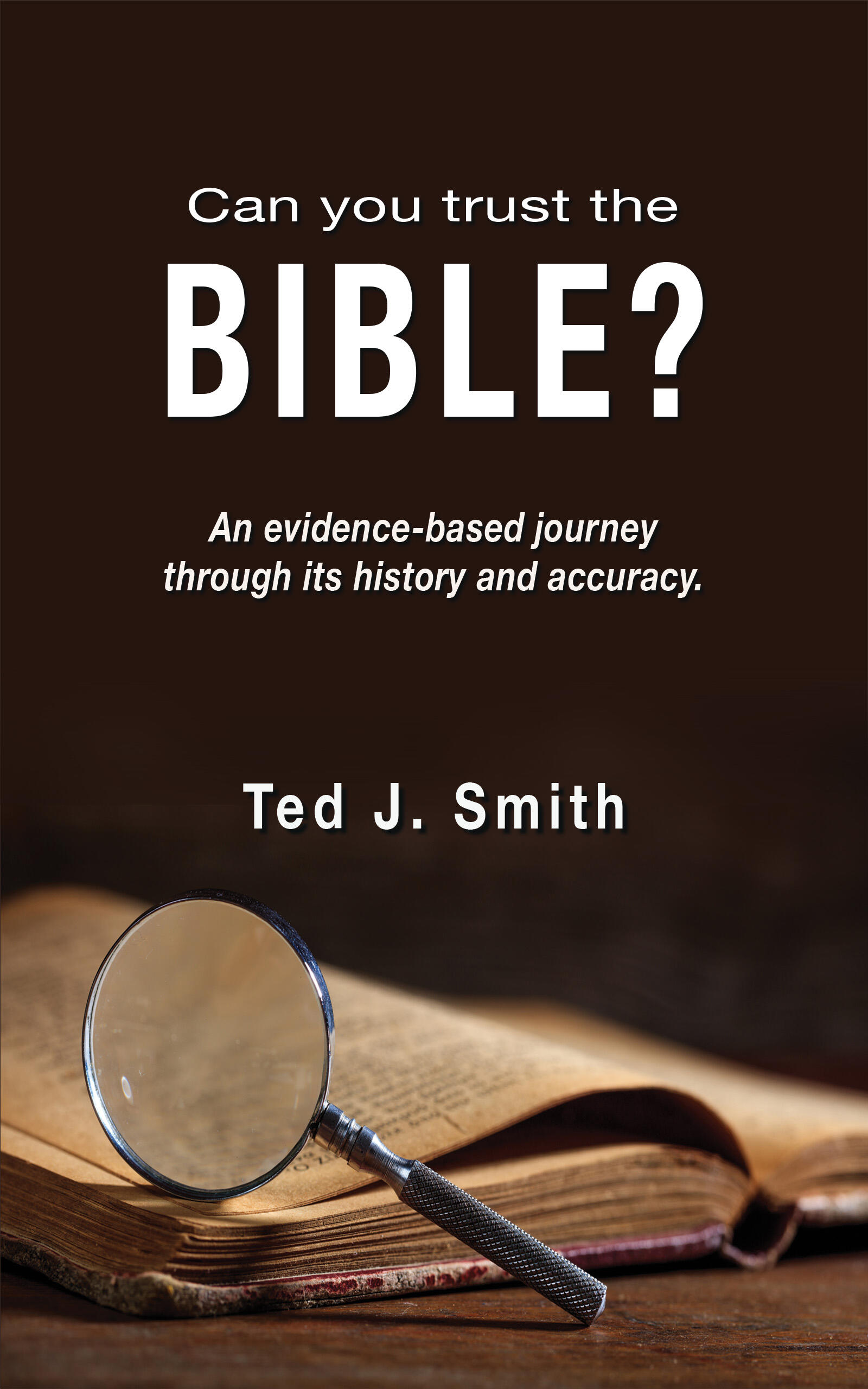
We're getting closer every day to sending the book off to the printers! Thank you so much for your patience. There are certainly a lot of details! I want to get every thing exactly right for you!My goal is to share with you solid, evidence-based research on what the Bible is and how it came to take its current form in a personal, one-on-one conversation.
Here's an example from Chapter 2...
The original Hebrew texts used only the 22 letters of the ancient Hebrew alphabet, representing consonantal sounds. Ancient Hebrew contained no written vowels as distinct letters. Vowel sounds were added through oral tradition and long-established usage. Thankfully, this is easier to understand than it sounds. Consider this line of consonants:
Lv th Lrd Yr Gd
If you figured out that the author wrote "Love the Lord Your God," you now see how a
consonant-only language remains perfectly comprehensible. Chances are
you use this type of “writing” frequently in your text messages!Keep scrolling to see more examples...
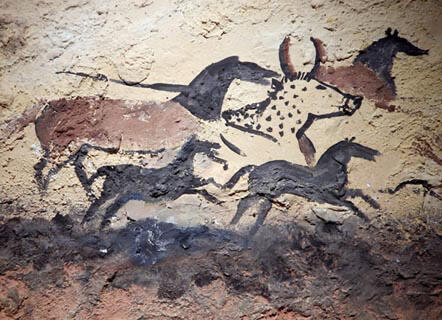
What is the first evidence of man attempting to communicate an experience or an event?
Anthropologists were ecstatic at the discovery of the cave drawings at Lascaux, France. Most of these drawings depict large animals and are estimated to date between 15,000 and 17,600 BC.
See your own initials written in Ancient Cuniform!
The eBook includes an interactive link so you can see your initials in Cuniform!
The Bible is actually much older than most people think.
The Dead Sea Scrolls are an amazing discovery. However, another major discovery came quite recently in 1979.What was thought to be a routine cleanup of an ancient dumpsite in fact is now considered to be just as remarkable!

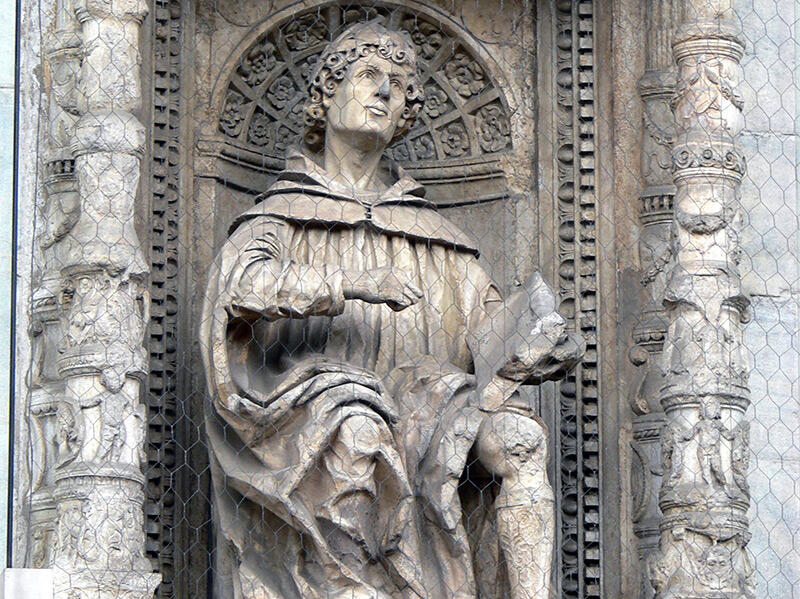
So is there any real, verifiable, evidence outside of the Bible?
Enter Pliny the Younger. Pliny wrote hundreds of letters, many of which still survive. They are regarded as a historical source for the time period and are widely used by modern historians. Some of Pliny’s letters are addressed to reigning emperors or to notables such as the historian Tacitus.
That's just a hint of what you'll discover!
Can You Trust the Bible? invites you to examine the evidence - then decide for yourself.Whether you're exploring the scriptures for the first time, looking to deepen your faith, or you are a professed skeptic, Can You Trust the Bible? will enhance your knowledge of the Bible.
A note from the author...
My goal is to share with you solid, evidence-based research on what the Bible is and how it came to take its current form in a personal, one-on-one conversation.Whether you’re looking to deepen your faith, exploring the Bible for the first time, or you seriously question everything about the Bible, this book will provide you both a solid foundation along with some new insights as well.

The author Ted and his wife, Julie.
Contact the author...
Can You Trust the Bible? will be available soon as an eBook, paperback and hardback. There is also a complete 8-week Bible study package anyone can lead! Send me an email and I'll let you know in advance of the publication date so you can be among the first to get them!
So what's next?
While the Bible is meant for everyone, it was specifically written for you. I encourage you to explore the Bible, discover the life changing truths contained within it and intentionally study it for all it is worth.Check out the validity of what you read. Weigh the evidence. Then put what you learn about the Bible, about God, and about yourself into practice in your everyday life. Many blessings to you!